STORY: Creating Community: Products & Markets Students Test, Iterate and Host BOW-ling Event
Five Olin students in the Spring 2026 Products and Markets (P&M) course—a course where teams develop and test entrepreneurial ideas—brought together the Babson, Olin and Wellesley (BOW) communities through a student-led event in March. Their efforts later earned them an invitation to WeStart at Wellesley, where they received the Kindness with a KPI Award.
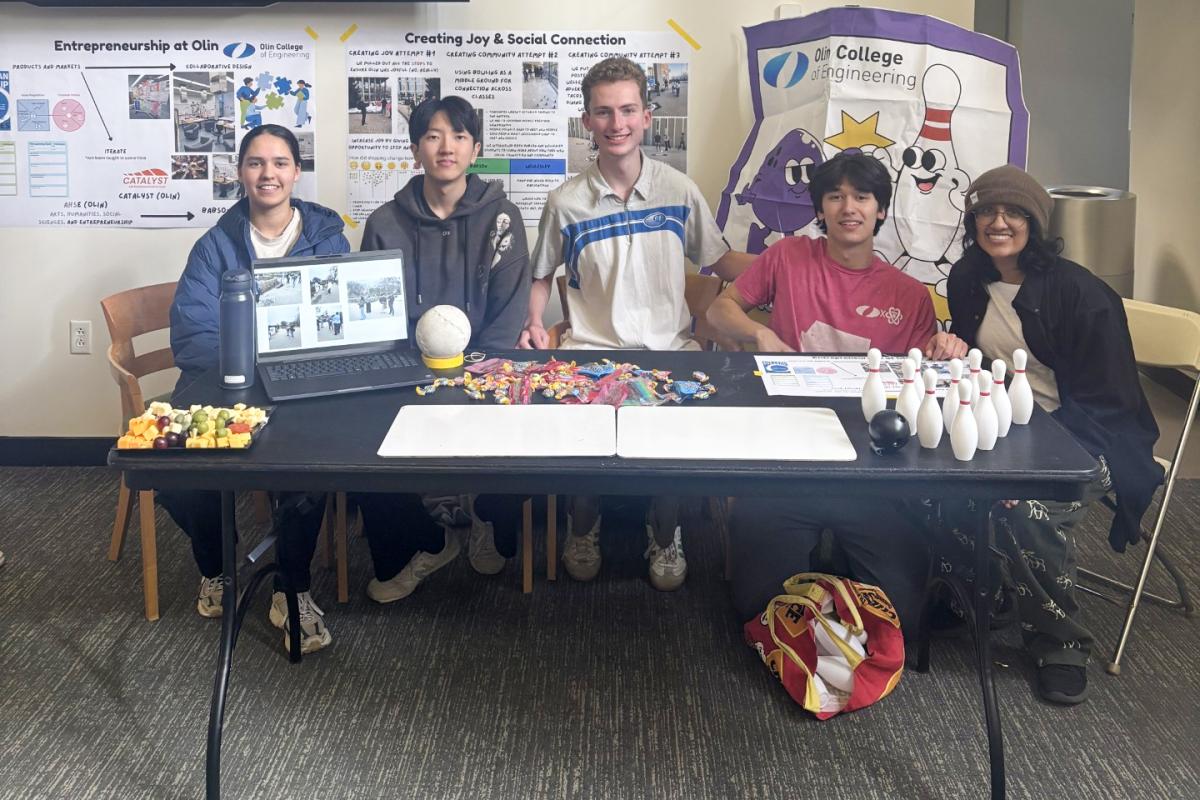
The BOW-ling team at Wellesley's WeStart event, where they received the Kindness with a KPI Award.
Ameya Muralidharan ’29, Trevor McDonald ’29, Pia Swarup ’29, Justin Yoon ’29 and Will Beadle ’29 first were inspired to create the event during an introductory course activity. Sarah Bloomer, adjunct instructor at Olin and co-instructor for P&M, brought in different types of bags—shopping, backpacks and more—for students to examine. One resembled a retro bowling bag, sparking an idea the students would later revisit: using bowling as a tool to foster social connection and community building.
Learning Through Iteration
Earlier in the semester, the students completed a “Joy Project,” where they discovered several important lessons: interactive experiences attract attention, location matters and active engagement is key to participation. Those findings helped shape their BOW-ling project.
The team’s first prototype was a pilot test of the event during Olin’s Spring Career Fair in late February. The pilot revealed an important challenge: students were comfortable bowling with classmates, but hesitant to interact with strangers. In response, the team refined the concept by incorporating icebreakers and incentives to encourage students to pair with peers from the other campuses.
“Bowling has a low barrier to entry. Anyone can just go, and it’s a fast thing to do,” said Swarup. “We realized that it’s actually a pretty good way to get people together.”
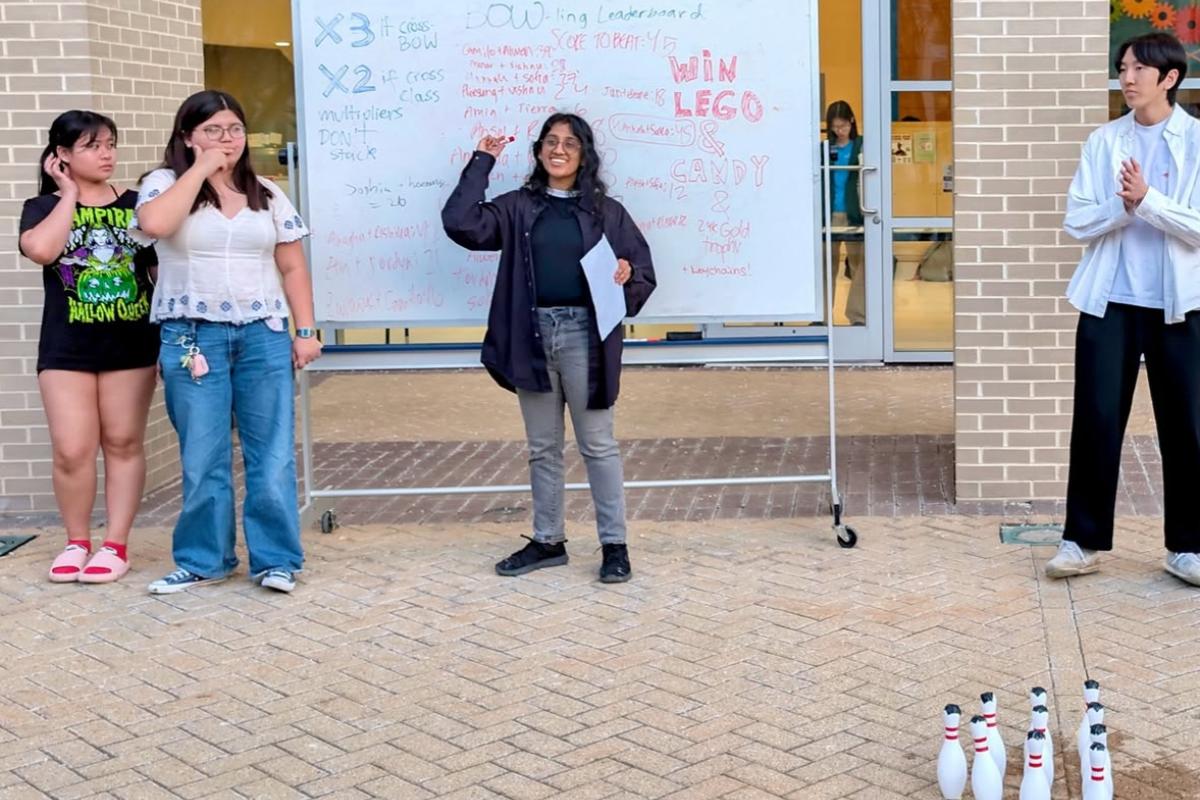
Ameya Muralidharan ’29 at one of the first BOW-ling events.
Expanding Across the BOW Community
Using what they learned from the pilot, the students organized the full BOW-ling event and expanded their outreach efforts through flyers, emails and in-person promotion. To help with participation, the BOW-ling team held their event during “Taco Tuesday,” as it produces heavy foot traffic from Babson students.
Though the event was a success in bringing together students across the BOW community, the team's research also revealed a broader issue within the BOW consortium: students often struggled to form and maintain friendships across campuses.
“At Babson, I interviewed some people, and those who didn’t have friends across the BOW community said they had to put in a considerable amount of effort to find people and maintain friendships,” said Beadle, who is part of Olin’s Formula team. “We wanted to make it easier for people to seek out social activity.”
Yoon also spoke with a former BOW ambassador, who shared that collaborative consortium events frequently face challenges attracting large crowds.
Despite those barriers, the students found that intentional outreach and low-pressure activities helped create opportunities for connection. The team’s marketing efforts to Wellesley students eventually led to an invitation to table at the WeStart Showcase, a student-run entrepreneurship event. At the showcase, the BOW-ling team received the Kindness with a KPI Award along with $100 in recognition of their work bringing the BOW community together.
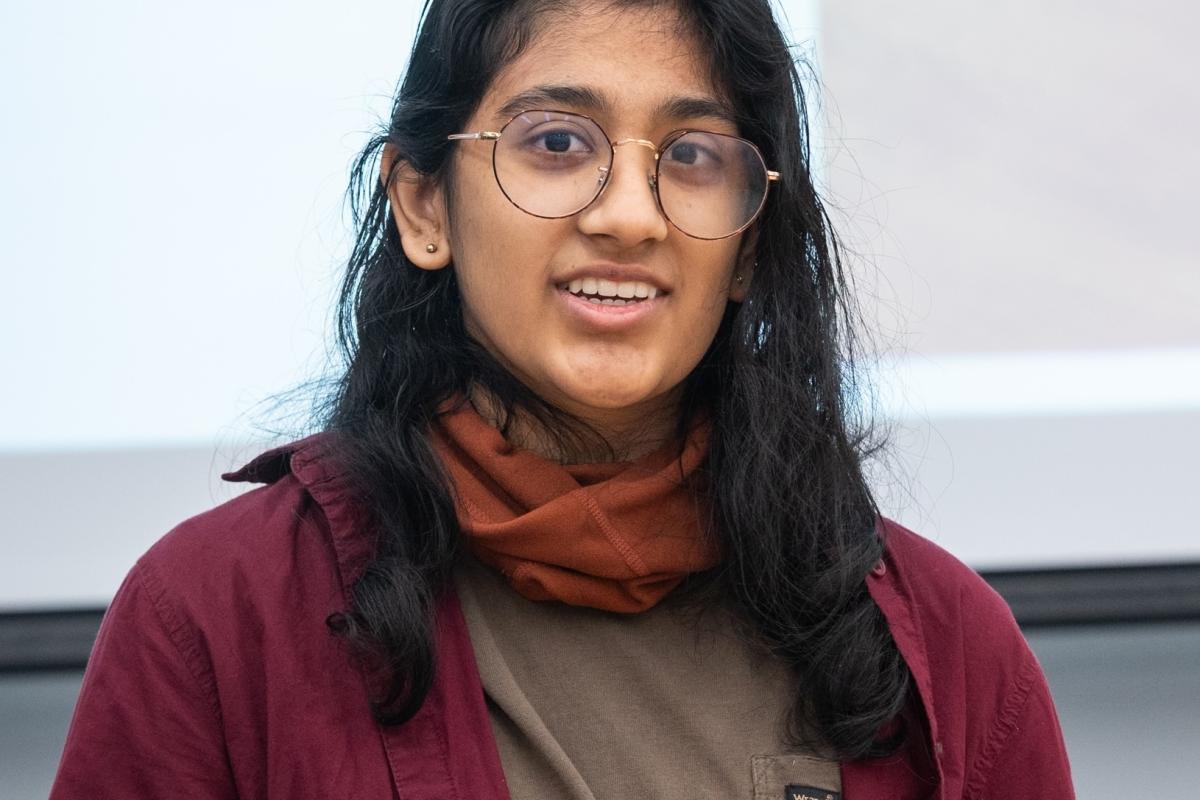
We met a lot of people, and we kind of got proof of concept that social connection was worth it.
Even if they didn’t bowl with someone, when we told them why we were there, they’d say that it’s good for social connection."
Ameya Muralidharan ’29
BOW-ling Team Member
Taking the Experiment Beyond Campus
After WeStart, the students decided to continue testing their concept, but this time beyond the college environment. They brought their project to Boston Common with posters, candy and keychains, hoping to engage strangers in conversations about social connection.
The public setting proved more challenging than campus events, but the experience still reinforced the value of the project. Although only an estimated 40 people stopped to talk, the team saw the interactions as proof that people were eager for connection.
“We met a lot of people, and we kind of got proof of concept that social connection was worth it,” said Muralidharan. “Even if they didn’t bowl with someone, when we told them why we were there, they’d say that it’s good for social connection.”
McDonald reflected that the experience ultimately became about far more than bowling itself.
“One of the biggest takeaways is that creating community is a lot of work,” said McDonald, who is part of the Olin Assistive Technology (OAT) Lab and the Olin Conductorless Orchestra (OCO). “It’s almost like the main part of our project wasn’t bowling — it was getting social connection, and we were using bowling as a means to do that.”
More About Products & Markets
In this foundational business and entrepreneurship course, students work in teams to develop and test entrepreneurial ideas, learn how to create value, refine product-market fit, and build sustainable business models through hands-on experimentation. For the Spring ’26 semester, in addition to Bloomer, the course instructors included:
- Sarah Bloomer, Academic Partner & Adjunct Instructor
- Joanne Pratt, Professor of Biological Sciences
- Tim Sauder, Professor of the Practice in Design
- Elisabeth Sylvan, Visiting Associate Professor of Sociotechnical Systems
- Donald Ger, Academic Partner & Adjunct Instructor
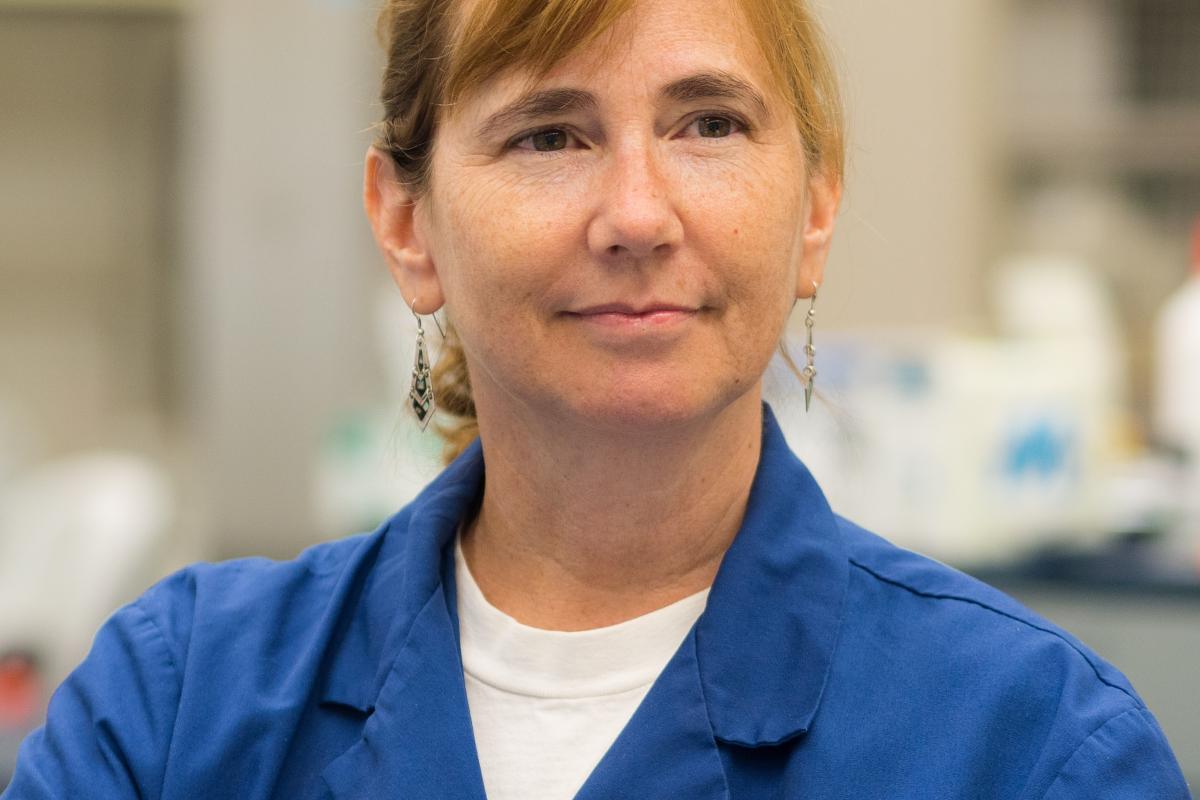
My favorite part of the class is seeing the students develop in many different ways:
working effectively as a team, becoming more comfortable talking to people they don’t know about their ideas, using iterative processes and tools to reach their project's goals, getting more comfortable navigating the uncertainty of this non-technical type of project, and of course, gaining insights into how they can create value in the world.”
Joanne C. Pratt
Professor of Biological Sciences