Support the Olin Plasma Engineering Lab!
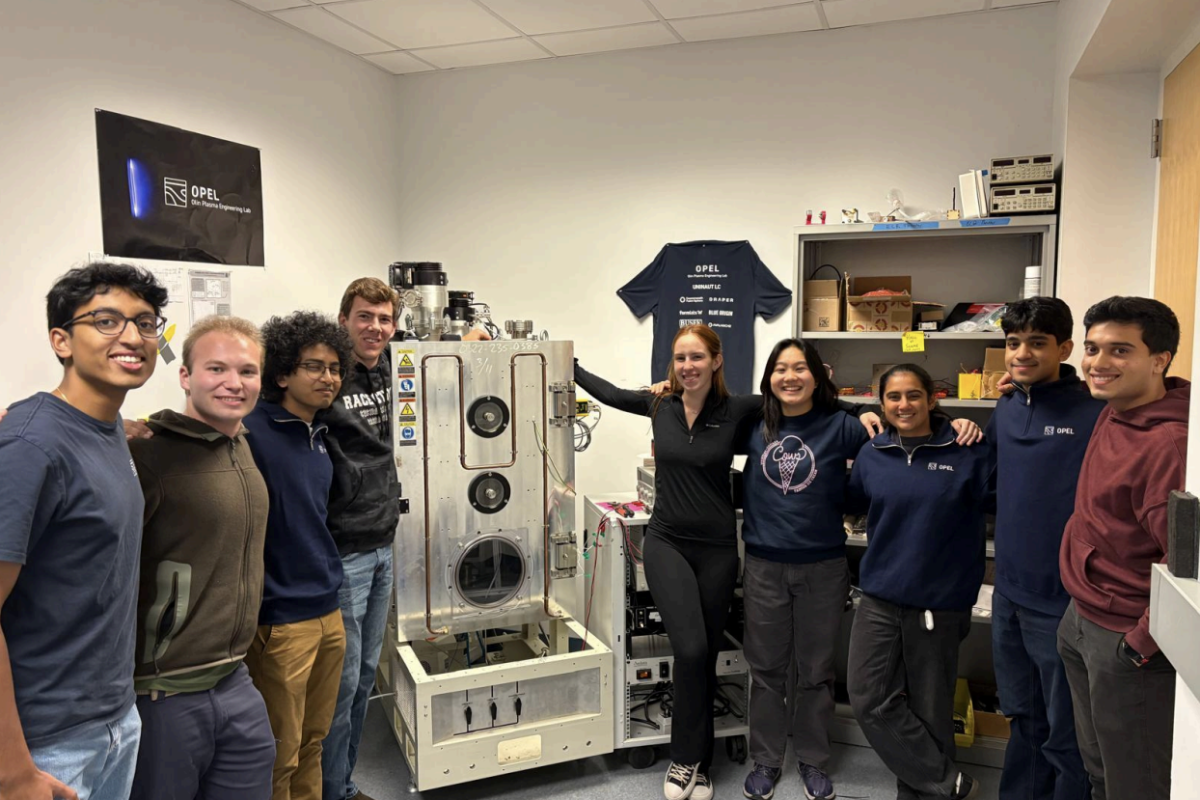
We’re OPEL — Olin’s Undergraduate space technology incubator.
The Olin Plasma Engineering Lab (OPEL) is a student-run space technology laboratory where undergraduates research, design, and test advanced spacecraft hardware.
Currently we are developing electric propulsion hardware used in spacecraft that show promise for fast deep space travel and long term earth orbit missions. Our mission is to expand undergraduate access to electric propulsion research and develop the next generation of space engineers by giving students ownership over advanced systems from day one.
At OPEL, students build and operate Hall-effect thrusters, design custom diagnostic systems, simulate thruster design in professional software tools, write technical papers, and present results at international conferences.
 |
 |
What Makes OPEL Different
First in the world
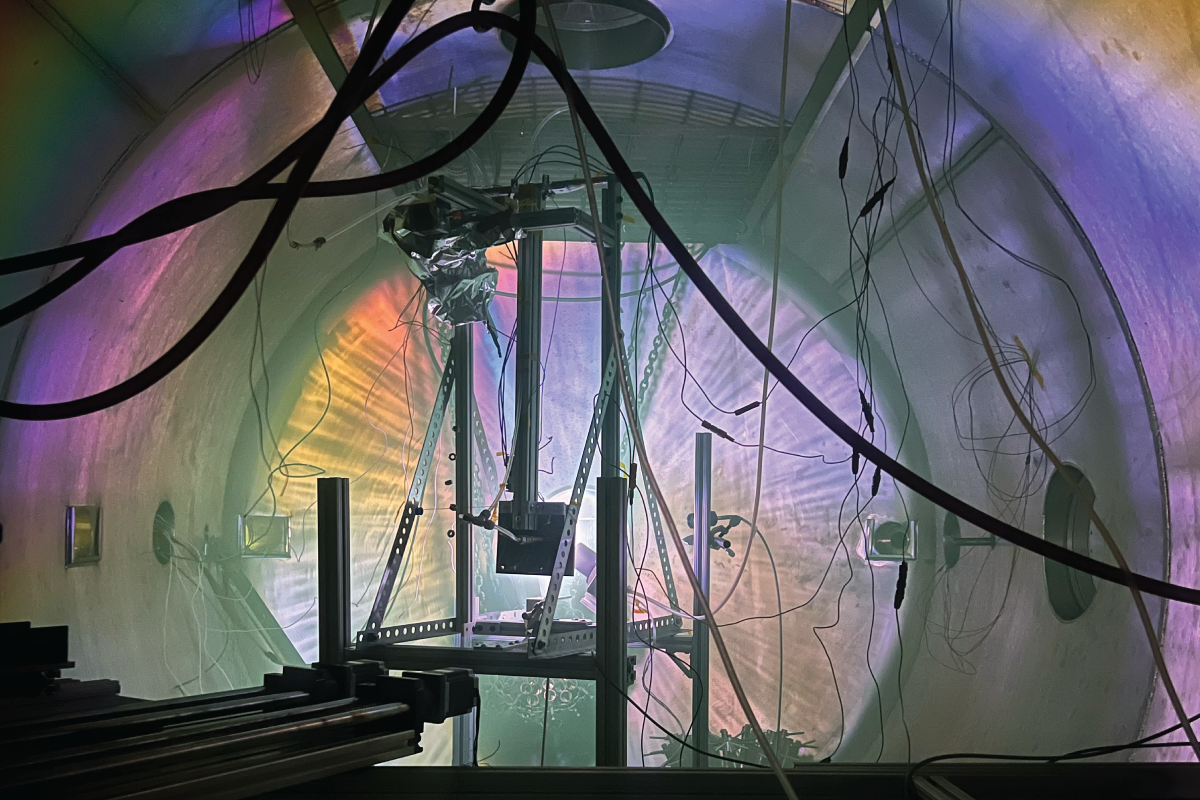
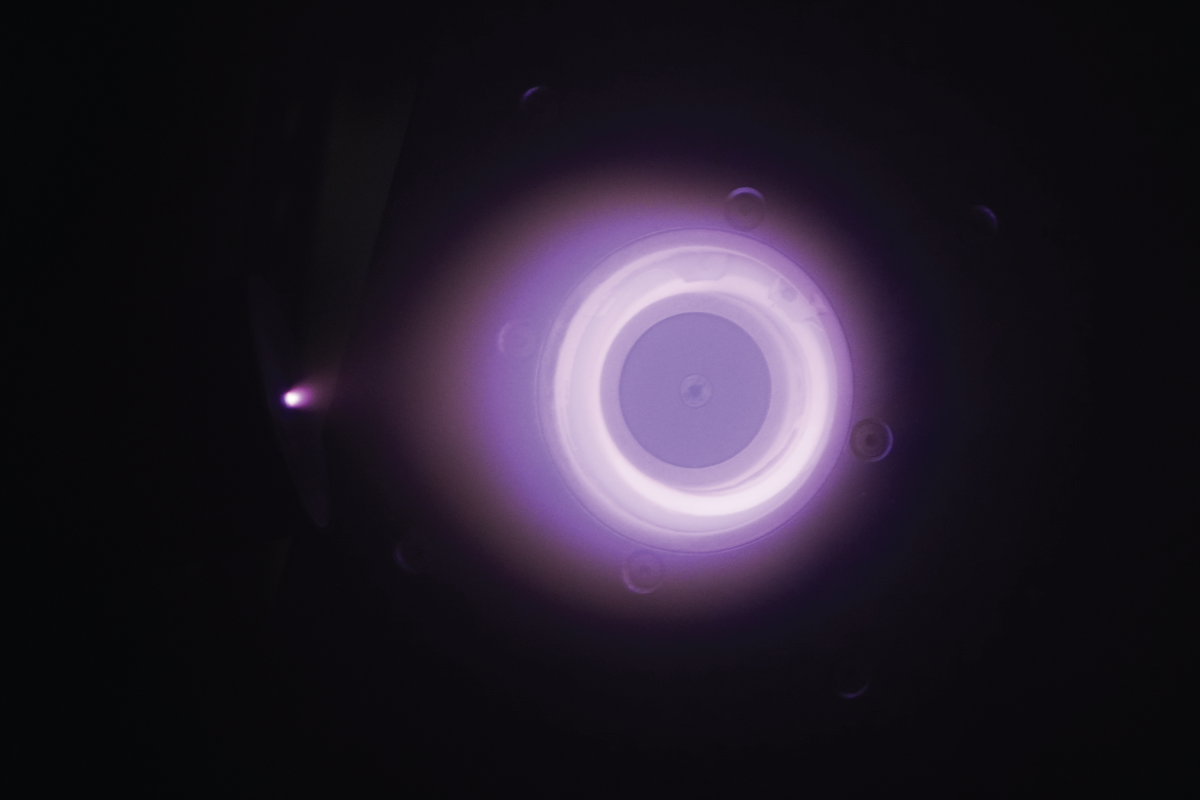
In 2023, OPEL became the first all-undergraduate team in the world to ignite a Hall-effect thruster. Since then, we have designed, built, and tested multiple generations of thrusters and constructed Olin’s first high-vacuum propulsion testing facility. On January 26, 2026, OPEL became the first all-undergraduate team worldwide to ignite a magnetically shielded Hall-effect thruster, marking a significant milestone in our mission to democratize advanced electric propulsion research.
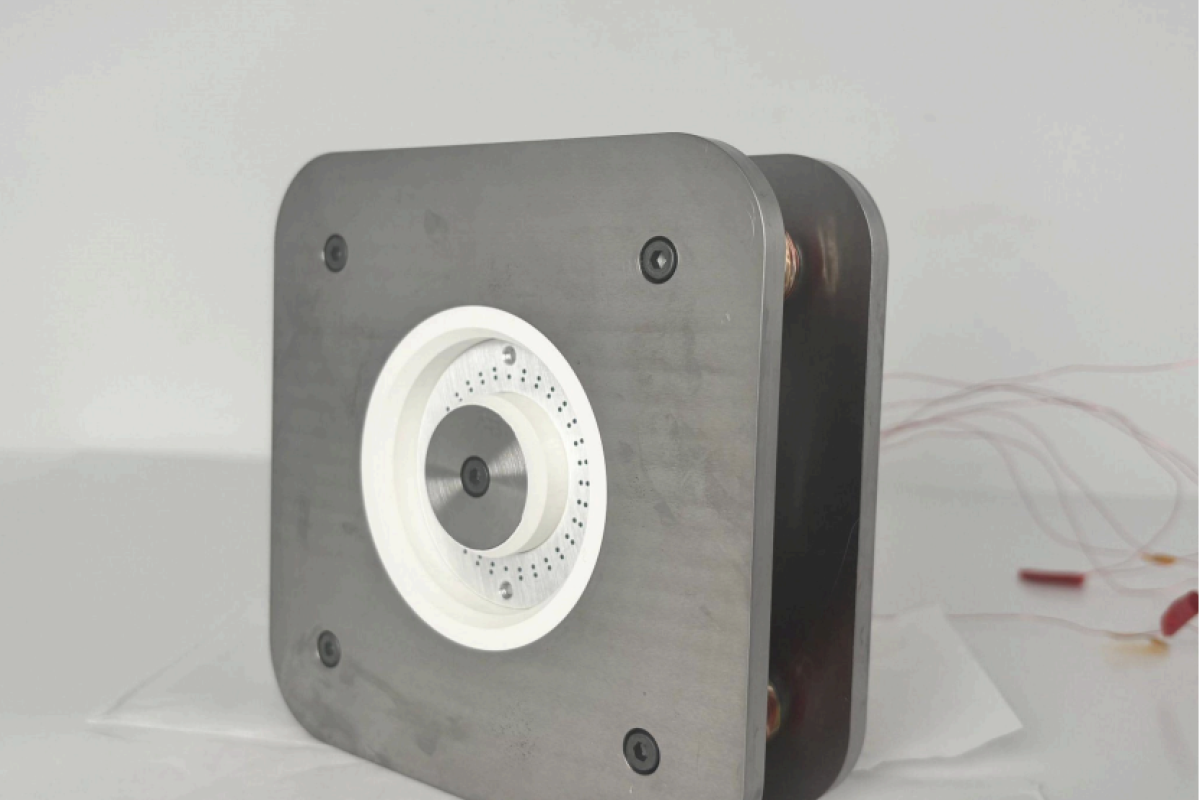
Mark 4 thruster (our newest thruster slated to have a 100-1000x efficiency improvement over previous generations)
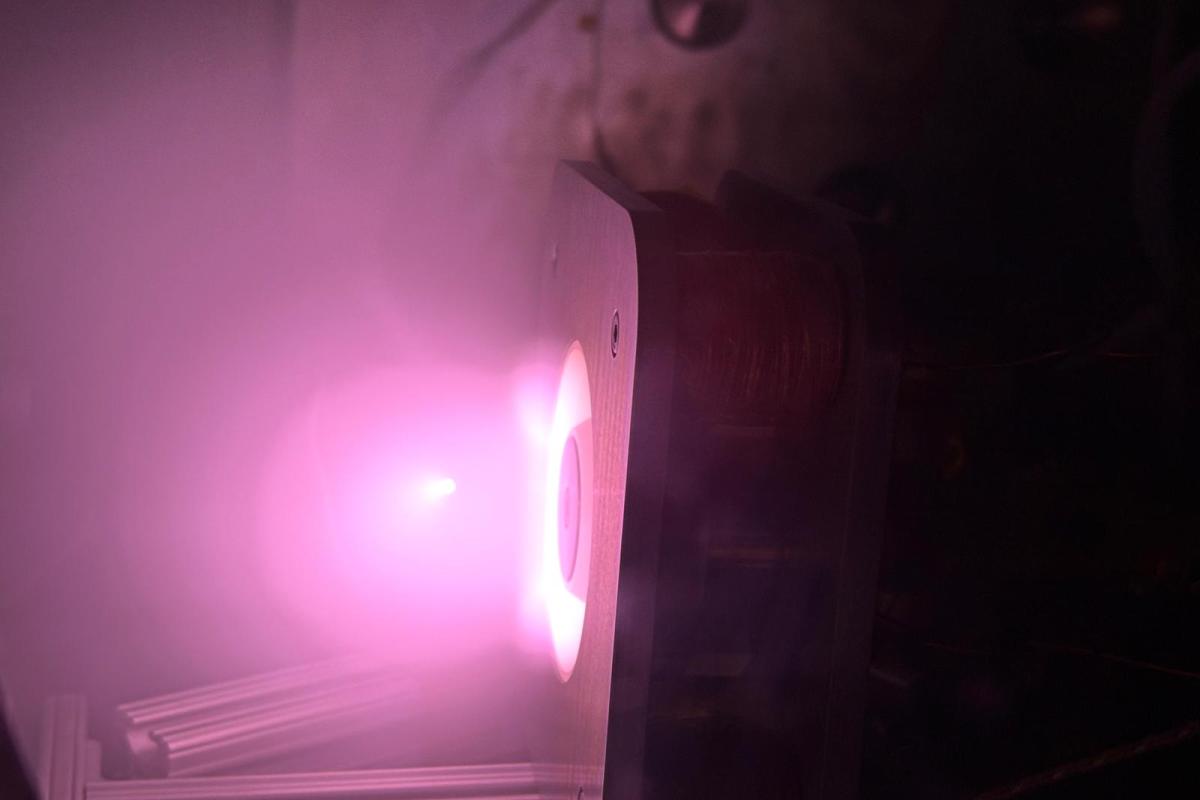
Mark 4 thruster first ignition on January 26, 2026 at OPEL’s own chamber at Olin.
Real research, real outputs
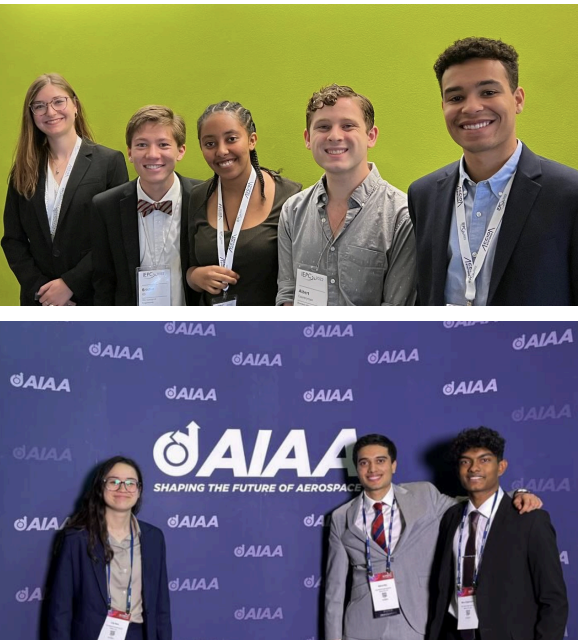
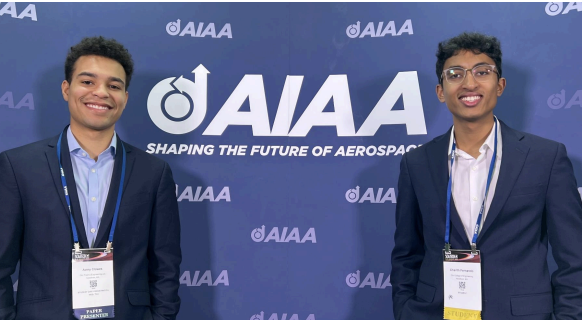
OPEL students publish peer-reviewed research and present regularly at major scientific conferences including AIAA SciTech, the American Astronomical Society, and the International Electric Propulsion Conference. Students have authored and presented work on thruster design, magnetic shielding, thruster diagnostics, and advanced manufacturing methods.
Our research has appeared in academic journals and national conference proceedings, with multiple new papers scheduled for publication in 2026.
A launchpad for careers
OPEL alumni and members go on to industry and graduate programs at top institutions and aerospace companies including. SpaceX, Blue Origin, Anduril, JPL, Impulse Space, Busek, University of Michigan PEPL, UCLA, Columbia, and MIT.
What We Are Building Now (2025–2026)
This year, your support will help us:
- Extensively test our magnetically-shielded Hall-effect thruster (100-1000x efficiency improvement over previous thrusters)
- Build a high-sensitivity thrust stand for precise force measurement (within 5 millinewtons which is about the weight of a bread crumb!)
- Develop a custom power processing unit to operate our thruster
- Design our fifth-generation thruster using test data and modeling
- Upgrade infrastructure with improved gas handling and chamber automation
- Complete and submit two new research papers for publication
These projects directly advance the reliability, performance, and educational depth of our lab while preparing our students to operate at professional engineering standards.
Where We’re Going
Over the next three years, OPEL aims to: Raise $20,000–$40,000 annually to support lab operations Grow a national undergraduate network for electric propulsion research Expand facilities and student access to advanced hardware Become the first undergraduate lab to operate a Hall-effect thruster in space.
Why Your Support Matters
Electric propulsion research is expensive. Plasma systems, vacuum infrastructure, diagnostics, and test equipment carry costs far beyond what our current budget allows.
Every donation directly supports:
- Materials and fabrication for thrusters and diagnostics
- High-vacuum hardware and sensors
- Conference attendance and publications
- Every contribution helps us train engineers, publish science, and bring advanced propulsion into undergraduate education
This year, we’re looking to build small-scale power processing units, design a new thruster, and attend more conferences. Your help enables our team to keep exploring amazing bounds in the field of undergraduate research!
Our Fundraising Goal: $5,000